
I’ve been wondering how much my father was immersed or involved with his Native American culture. So far I’ve not been able to find out what life was like on the Blue Jacket Reservation in 1903 when he was born. From my woefully meager understanding of the conditions after the forced eviction of the Shawnee from their ancestral lands in the Ohio Valley followed by the ‘Trail of Tears’ and the subsequent broken promises and dishonored treaties I imagine the conditions would have been pretty bleak. After all, that part of Oklahoma was hardly on a par with the lush, fertile lands the Shawnee were forced to leave. Had it been I doubt the displaced tribes would have been offered it in the first place. Then it didn’t take long for even the latest Indian territories in both Kansas and Oklahoma to be whittled down by yet more broken treaties.
In the end, the Shawnee who’d fought on the side of the Union during the civil war returned to their promised “Indian Territory” in Kansas to find that most that land had been taken once again by white settlers with the support of the very government they’d been away fighting for. Loyalty was one-way and the “Loyal Shawnee” had no choice but to move on again, this time into the upper northwest of Oklahoma to land already ceded to the Cherokee and and become part of the Cherokee Nation. In fact, all of Oklahoma was supposed to be “Indian Territory.” But it didn’t take long for 100% to be whittled down once oil was discovered.
When my father was born in 1903 Oklahoma wasn’t yet a state. Statehood was bestowed in 1907 and that part of Oklahoma became Craig County with the tiny settlement of Bluejacket named after my great-great-grandfather, Charles. W. Kal-we Bluejacket.
My father’s birthplace in Bluejacket isn’t that far from where Rev. Bluejacket had lived in what became “Shawnee Town,” Kansas. My father’s mother and father were married by Rev. Bluejacket, who was her grandfather.
We know that my great-great-grandfather, had adapted to the “white man’s ways.” He dressed like a white man, become a Methodist minister, a Masonic brother, a translator, a captain in the Union Army and was someone respected by the communities he’d became part of after leaving Ohio. There’s a memorial dedicated to him in Shawnee Town, Kansas – around 175 miles north of my father’s birthplace.

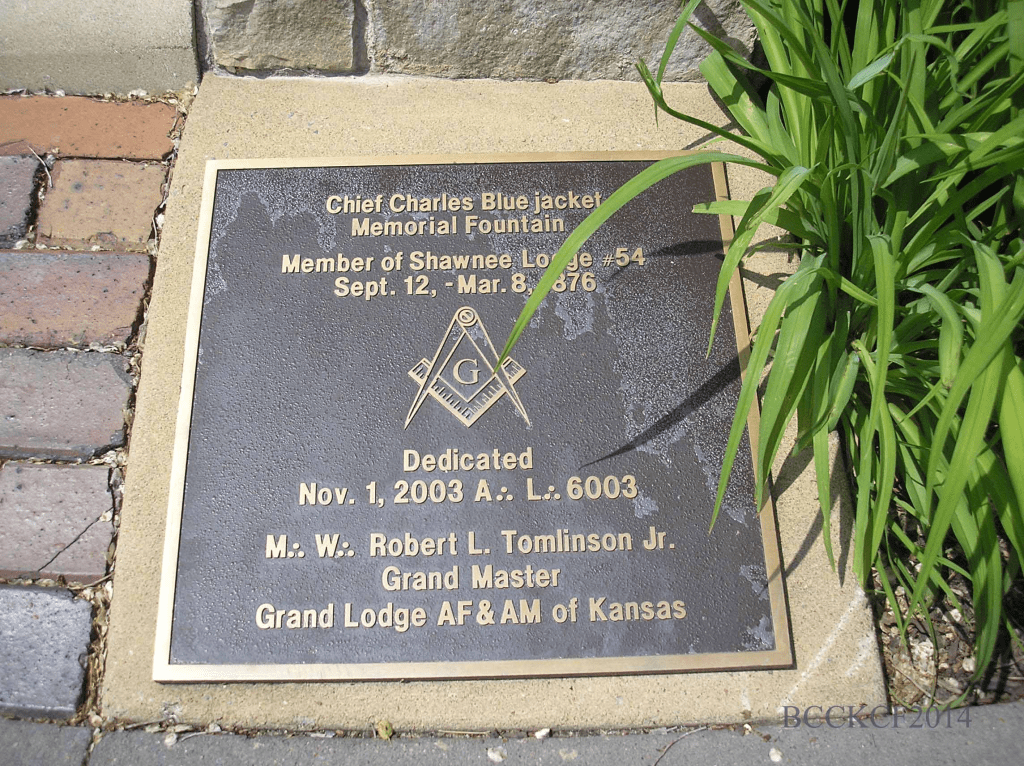

Perhaps it was because of his great-great grandfather’s Mana and standing as the last hereditary chief of the Shawnee tribe that my father and his siblings were taken from their family home to attend a residential Indian Mission School. Being direct descendants of Shawnee chiefs going back to Chief Bluejacket himself might have been finally been an advantage. Then the treatment of students in these residential schools wasn’t exactly known to b preferential.
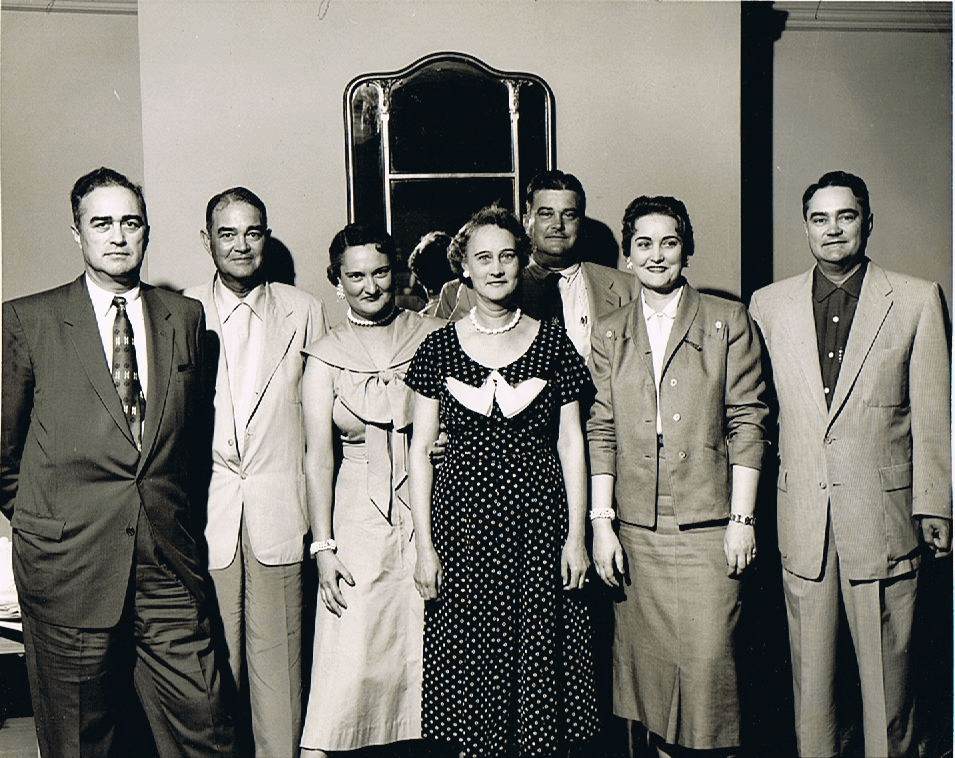
My father was one of seven children, all of whom survived childhood to become adults. All were tall and successful in their chosen fields. My father and his youngest brother Wilbur got law degrees, became lawyers and opened a law practice. I understand that my Uncle Wilbur remained a lawyer while my father became a fire investigator and finally a country judge.
The Shawnee Connection © Robert R. Feigel 2022 – All Rights Reserved
 Pieces from a Puzzling Life
so proud you found your heritage cuz
LikeLike